Water doesn’t wait. Whether it’s a burst pipe in the middle of winter, a flooded basement after heavy rain, or a washing machine that decided to give out at the worst possible time, water damage in your Cleveland home moves fast. The first few hours after water enters your home are critical. What you do right away can mean the difference between a contained problem and one that spreads into your walls, floors, and eventually your air quality. Here’s a clear, practical guide to help you take the right steps when you’re in the middle of it.
First: Stop the Source If You Can
The very first thing to do is stop the water from coming in if it’s still flowing. If it’s a broken pipe, shut off the main water supply to your home. Every home has a main shutoff valve, usually located near the water meter. If you don’t know where yours is, now is a good time to find out before you ever need it.
If the flooding is coming from outside, like a storm or sewer backup, you won’t be able to stop the source. In that case, focus on protecting yourself and your belongings rather than fighting the water. Get yourself and your family out of standing water, especially if there’s any chance it has come into contact with electrical systems.
Safety always comes first. Don’t enter a room with standing water if there are outlets, electrical panels, or appliances nearby. Water and electricity are a dangerous combination.
Document Everything Before You Clean Up
Before you start pulling up wet carpet or moving damaged furniture, take photos and video of everything. Walk through every affected area and document what you see. This includes walls, floors, ceilings, furniture, appliances, personal belongings, and any structural damage you can observe.
This documentation matters for your insurance claim. Adjusters need to see the extent of the damage before work begins, and having clear photos and video creates a record that supports your claim from the start. Don’t let the urgency of the situation push you to start cleaning up before you’ve captured everything. A few minutes of documentation can protect you significantly when dealing with your insurance company later.
Call your insurance company early in the process. Let them guide you on the next steps for your specific policy and coverage.
Remove Standing Water and Start Drying the Area
The faster you can get standing water out and start drying the affected area, the less opportunity mold has to take hold. Mold can begin developing within 24 to 48 hours of water exposure in the right conditions. That’s not much time.
If the amount of standing water is manageable, you can start removing it with a wet/dry vacuum, mops, or towels while you wait for professional help. Open windows if weather permits, run fans, and get air moving. The goal is to reduce moisture as quickly as possible.
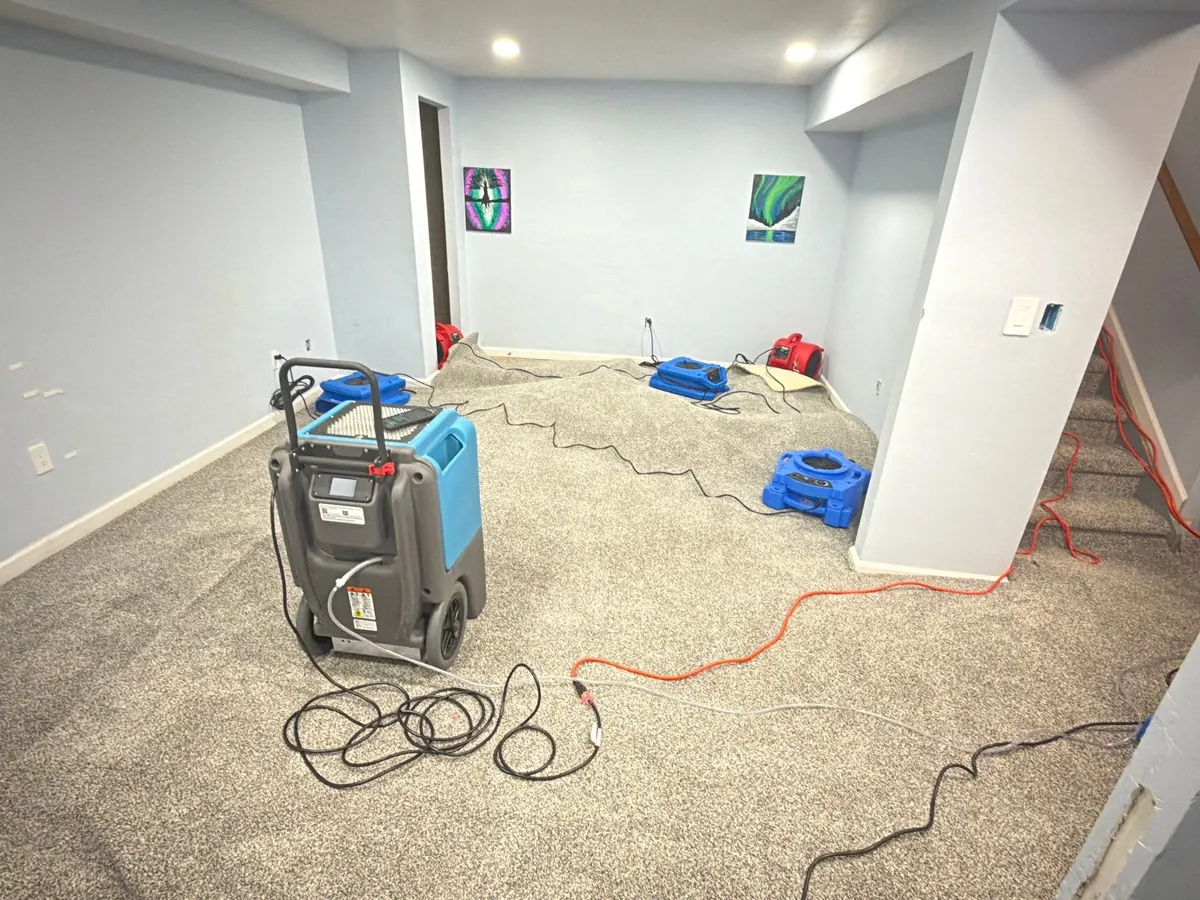
What you can do yourself has limits, though. The water you can see is only part of the story. Water seeps into walls, under flooring, into insulation, and into structural materials that look dry from the surface. Professional water restoration equipment is designed to detect and remove that hidden moisture, which is why professional help is so important after significant water damage.
Call a Water Damage Restoration Team
This isn’t the time to wait and see. If your home has experienced significant water damage, getting a professional restoration team on-site quickly is one of the most important things you can do. The faster the response, the better the outcome.
Aided Water Damage Restoration serves Cleveland and a wide range of surrounding communities, including Parma, Parma Heights, Lakewood, Westlake, North Royalton, Strongsville, Berea, Brook Park, Fairview Park, Rocky River, Bay Village, Avon, Avon Lake, Lorain, Elyria, Euclid, Cleveland Heights, Beachwood, and Middleburg Heights. We’re here when you need us.
Our team handles water extraction, drying, and the restoration work needed to get your home back to where it needs to be. You don’t have to figure this out alone.
Watch for Signs of Mold After the Fact
Even after the visible water is gone and things appear dry, mold can develop if moisture was left behind in hidden areas. In the weeks following water damage, keep an eye out for musty odors, discoloration on walls or ceilings, or any new respiratory issues among people in the home. These can all be signs that moisture is still present somewhere it shouldn’t be.
If you suspect mold after a water damage event, don’t ignore it. Mold spreads, and what starts as a small area can grow into a much bigger problem. Addressing it early is far less disruptive and less costly than dealing with it after it’s had time to spread.
We’re Here When You Need Us Most
Water damage is stressful, and the steps you take in the first few hours matter more than most people realize. Aided Water Damage Restoration is here to help Cleveland-area homeowners get through it. From water extraction to full restoration, we handle the process so you can focus on getting your home and your life back to normal.